
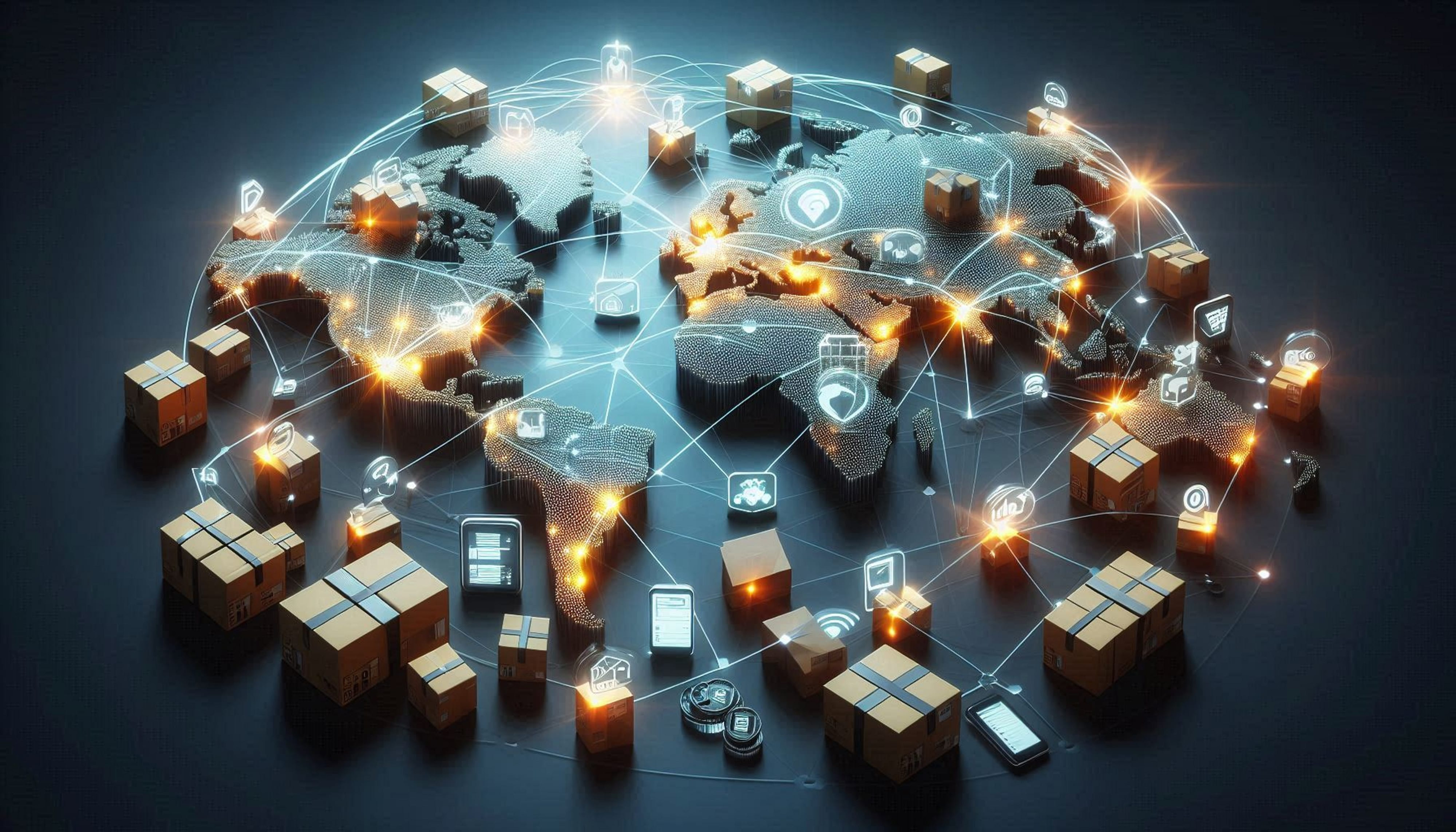
Supply Chain Resilience : Balancing product innovation with manufacturing constraints.
Innovation drives market share, but supply chain resilience ensures survival. In South Africa’s volatile economic landscape, retail giants like Checkers, SPAR, and Woolworths constantly push for product differentiation. Simultaneously, petroleum convenience forecourts demand high-velocity, reliable stock turn.
However, localized manufacturing constraints—ranging from logistical bottlenecks to energy insecurity—often clash with rapid innovation cycles. For small, medium, and micro enterprises (SMMEs) funded by government development agencies, navigating this tension is the difference between scaling up or going bankrupt. True resilience lies in balancing the drive for novelty with the realities of the factory floor.
The Innovation-Constraint Friction
Product innovation inherently introduces complexity. New ingredients, bespoke packaging, and altered manufacturing processes require specialized setups. For South African manufacturers, this complexity intersects with systemic constraints: load curtailment, water scarcity, and fluctuating import lead times for raw materials.When a retailer demands an innovative, eco-friendly packaging solution, the underlying supply chain is often forced to adapt too quickly.
If a small business supplier cannot secure the necessary specialized polymers due to port delays, the innovation stalls. The retailer faces empty shelves, and the SMME faces harsh contractual penalties.
Why Public and Private Stakeholders Must Care
Every tier of the South African economy has a vested interest in resolving this friction:
Retail Giants \& Forecourts**: Brands like Woolworths and Checkers rely on premium, innovative products to maintain consumer loyalty. Empty shelves directly damage brand equity and revenue.
Government Funding Agencies**: Entities tasked with SMME development lose their capital investments when small businesses fail to transition from prototype to mass production due to unforeseen manufacturing bottlenecks.
Government Entities**: National economic stability depends on localization. When local manufacturers fail to deliver innovative products efficiently, retailers turn to imports, draining local jobs and capital.
Strategic Solutions for Balanced Resilience
To build a supply chain that supports innovation without breaking under manufacturing constraints, stakeholders must implement structural, collaborative changes.
1. Implement "Design for Manufacturability" (DFM)
Innovation must not happen in a vacuum. SMMEs and corporate R\&D teams must adopt DFM principles, designing new products around existing manufacturing capabilities and available local raw materials. By minimizing the need for highly specialized, imported components, businesses reduce vulnerability to global supply shocks.
2. Establish Collaborative Forecasting and Buffer Pools
Retailers must share long-term promotional and innovation roadmaps with their supplier network well in advance. Government-funded SMMEs, backed by development capital, should use this data to build strategic buffer stocks of critical, hard-to-source raw materials. This cushions the manufacturing process against sudden spikes in demand or transport delays.
3. Create Shared-Facility Manufacturing Hubs
Government development agencies can de-risk SMME growth by funding shared, state-of-the-art manufacturing hubs. These industrial parks give small businesses access to advanced, flexible machinery that can easily pivot between different product innovations. This removes the heavy capital expenditure burden from individual small suppliers.
4. Dual-Sourcing with a Localization Bias
While retail giants require large volumes that only primary manufacturers can provide, they should actively onboard qualified SMMEs as secondary, localized backup suppliers. If the primary supply chain faces a disruption, local small businesses can step in. This keeps shelves stocked while fulfilling corporate enterprise and supplier development (ESD) mandates.